
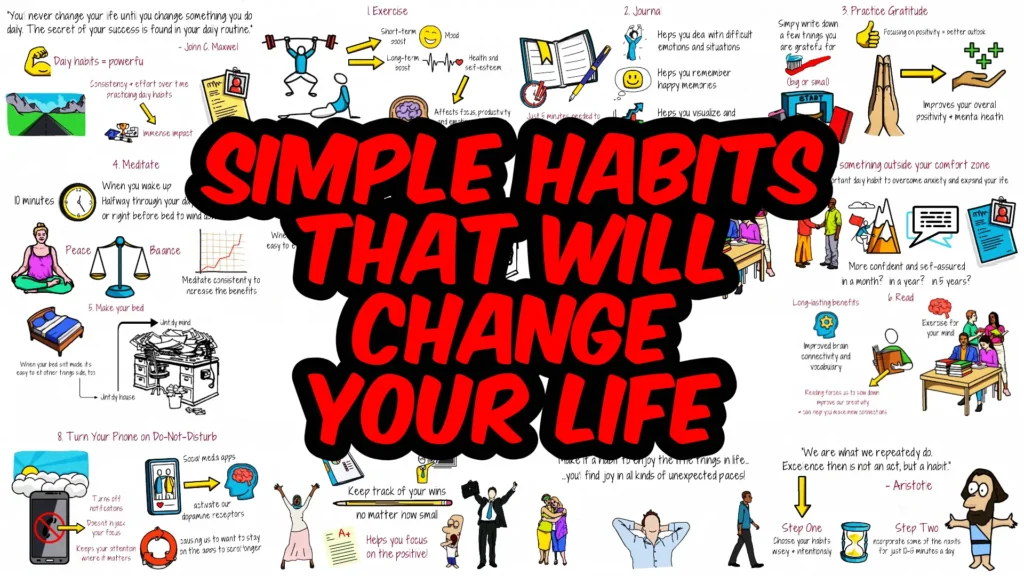
In today’s fast‑paced world, maintaining your health and well‑being can feel like an uphill battle. Between work, family commitments, and the constant buzz of digital distractions, it’s easy to put your personal wellness on the back burner. But here’s the good news: you don’t need drastic, complicated routines to live healthier. Small, consistent habits when practiced daily have the power to transform your life physically, mentally, and emotionally.
This guide breaks down ten simple yet powerful health and wellness habits that are easy to adopt and maintain. Whether you’re just starting your wellness journey or seeking ways to build healthier routines, this article gives you actionable steps, explanations of why each habit matters, and how to make progress without feeling overwhelmed.
1. Prioritize Quality Sleep Every Night
Sleep is often underrated, yet it’s one of the most fundamental pillars of good health. A consistent sleep routine strengthens your immune system, improves memory, and supports emotional balance.
Why It Matters
When you sleep, your body:
- Repairs cells and tissues
- Regulates hormones
- Consolidates memories and learning
- Balances mood and stress responses
Poor sleep increases cravings for sugary foods, reduces energy, and heightens anxiety and risk of chronic conditions like hypertension and diabetes.
How to Improve Your Sleep
Go to bed and wake up at the same time every day
Create a calming pre‑sleep routine dim lights, gentle stretching, or reading
Avoid screens (phones, TVs) at least one hour before bedtime
Keep your bedroom cool, quiet, and dark
Even small changes like reducing caffeine in the afternoon and setting a bedtime alarm can dramatically improve sleep quality.
2. Move Your Body Every Day
Regular physical activity isn’t just about losing weight it’s about building vitality, strength, and long‑term wellness.
Benefits of Daily Movement
- Boosts cardiovascular health
- Strengthens muscles and bones
- Reduces stress and anxiety
- Improves digestion and energy levels
- Enhances mental clarity
Simple Ways to Add Movement
You don’t need a gym membership or intense workouts to see benefits. Aim for at least 30 minutes of movement every day and make it enjoyable:
- Walk or take the stairs
- Practice yoga or stretching
- Cycle around your neighborhood
- Dance to your favorite tunes
- Do body‑weight exercises at home
Consistency matters more than intensity. Move in ways that feel good instead of forcing routines that feel like punishment.
3. Eat Whole, Nourishing Foods
A healthy diet doesn’t mean deprivation. It means choosing nutrient‑dense, whole foods that keep you energized and satisfied.
Key Principles of Healthy Eating
- Focus on whole foods vegetables, fruits, lean proteins, healthy fats, and whole grains
- Reduce added sugars and highly processed foods
- Hydrate consistently throughout the day
- Eat balanced meals protein, fiber, and healthy fats together
Start with Simple Swaps
- Swap sugary drinks for water or herbal tea
- Fill half your plate with vegetables at each meal
- Choose grilled, baked, or steamed foods over fried
- Add fruit or nuts to breakfast for sustained energy
Small changes like eating breakfast that includes protein or adding an extra serving of vegetables can shift your metabolism and control hunger hormones over time.
4. Drink Plenty of Water Every Day
Hydration is fundamental, yet it’s one of the easiest habits to overlook.
Why Hydration Matters
Water:
- Supports digestion and nutrient absorption
- Helps maintain skin health
- Regulates body temperature
- Flushes out toxins
- Keeps energy levels stable
How Much Water Should You Drink?
A common guideline is about 8 cups (2 liters) per day, but needs vary based on activity, climate, and body size.
Tips to Stay Hydrated
- Carry a reusable water bottle
- Start your day with a glass of water
- Flavor water with lemon, mint, or cucumber
- Drink a cup before meals to prevent overeating
When you feel hungry shortly after a meal, it’s often dehydration. Drinking water consistently can help manage appetite and improve overall wellbeing.
5. Manage Stress Through Mindful Practices
Stress is more than a feeling it affects your body and brain chemistry. Chronic stress contributes to inflammation, sleep problems, mood swings, and even heart health.
Simple Stress‑Reduction Techniques
- Deep breathing: Inhale for a count of four, hold for four, exhale for four
- Meditation: Start with 5–10 minutes daily
- Mindful walking: Focus on sensation, rhythm, and breathing
- Journaling: Release thoughts and emotions before bedtime
Build Mindfulness into Daily Life
You don’t have to set aside hours for meditation. Even pausing before meals, taking a few slow breaths, or observing your environment with intention add to your emotional resilience.
6. Connect With Others Social Health Matters
Humans are social beings. Meaningful connections support emotional health, reduce stress, and enhance life satisfaction.
Ways to Cultivate Social Well‑Being
- Talk to a friend or family member daily
- Join a community group or class
- Volunteer or help others
- Share laughter it literally releases feel‑good hormones
Strong social networks buffer against depression and help you cope with life’s ups and downs. Invest in relationships as deliberately as you invest in your physical health.
7. Practice Gratitude and Positive Reflection
Gratitude is a powerful emotional tool that shifts focus from what’s missing to what’s present in your life.
Why Gratitude Works
- Reduces anxiety and negativity
- Improves mood and optimism
- Encourages a calm mindset
- Enhances resilience
How to Practice Gratitude
- Write down three things you’re grateful for each day
- Reflect on positive moments before bed
- Express gratitude to someone a message, call, or kind gesture
This simple habit rewires your brain to notice positivity and reduces the default tendency to focus on stressors.
8. Build a Daily Routine That Supports Wellness
Routines reduce decision fatigue and create structure. A wellness routine doesn’t have to be elaborate — it just needs to be consistent.
Elements of a Healthy Routine
- Morning ritual — hydrate, stretch, set intentions
- Scheduled movement — walk, bike, or exercise
- Regular meal times — balanced plates
- Relaxation breaks throughout the day
- Wind‑down routine in the evening
Consistency makes healthy habits automatic. Over time, patterns become identity you become the person who prioritizes health.
9. Limit Screen Time and Improve Digital Health
Screen time especially social media affects attention, mood, and even sleep. The blue light from screens interferes with your circadian rhythms and reduces melatonin production, making it harder to fall asleep.
Healthy Digital Habits
- Set screen‑free hours each day
- Avoid screens 60 minutes before bedtime
- Use “night mode” to reduce blue light in evenings
- Take periodic breaks using the 20‑20‑20 rule: look 20 feet away for 20 seconds every 20 minutes
Reducing unnecessary screen time increases focus, improves sleep, and makes room for more meaningful activities.
10. Keep Learning and Growing Every Day
Mental stimulation supports cognitive health, creativity, and emotional balance. Lifelong learning is one of the most transformative wellness habits you can adopt.
Ways to Keep Your Mind Active
- Read books or articles that inspire you
- Explore new hobbies or skills
- Take online courses or workshops
- Engage in stimulating conversations
Expanding knowledge and skills builds confidence, enhances purpose, and keeps your brain agile even as life changes.
How to Make These Habits Stick
Changing habits isn’t about willpower it’s about systems. Here’s how to make your wellness efforts sustainable:
Start Small
Pick one habit not all ten at once. Master it for a few weeks, then add the next.
Make It Visible
Place reminders in your environment:
- Water bottle on your desk
- Gratitude journal by your bed
- Workout clothes ready in the morning
Track Progress
Keep a simple daily log tracking builds accountability and reinforces consistency.
Celebrate Progress
Even small wins matter. Celebrate daily achievements like drinking water, walking more, or sleeping better.
Stay Flexible
Life happens. Routines change. Adapt not abandon your habits when needed.
Real‑Life Example: One Person’s Wellness Transformation
Meet Amina. Before adopting healthier habits, she struggled with fatigue, stress eating, irregular sleep, and low mood. She started with two simple changes:
- Drinking a glass of water in the morning
- Taking a 20‑minute walk after dinner
Within a month:
- Her energy improved
- Evening cravings reduced
- Sleep became deeper
- Stress felt more manageable
Over six months, she added mindful breathing, reduced screen time before bed, and built a meal routine with more vegetables and lean proteins.
Her progress wasn’t dramatic overnight but it was lasting because it was gradual and intentional.
The Ripple Effect of Healthy Habits
Good habits don’t just change one part of your life they influence your overall wellbeing. When you sleep better, you eat better. When you move more, you feel more energetic. When you manage stress, you enjoy relationships more fully.
Health and wellness aren’t destinations they’re lifestyles, built habit by habit, day by day.
Conclusion: Small Steps, Big Impact
Transforming your health doesn’t require perfection or drastic measures. It begins with simple, consistent habits that create long‑lasting change. By prioritizing sleep, nourishing your body, moving daily, managing stress, nurturing connections, and caring for your digital and emotional wellness, you create a life that’s healthier, happier, and more fulfilling.
Start with one habit today. Then add the next. Over time, these small choices compound into a life you’re proud of — not just in terms of fitness or appearance, but in how you feel, live, and show up for the people and goals you care about most.
Your journey to wellness is not a sprint it’s a steady walk that builds strength, resilience, and joy.